
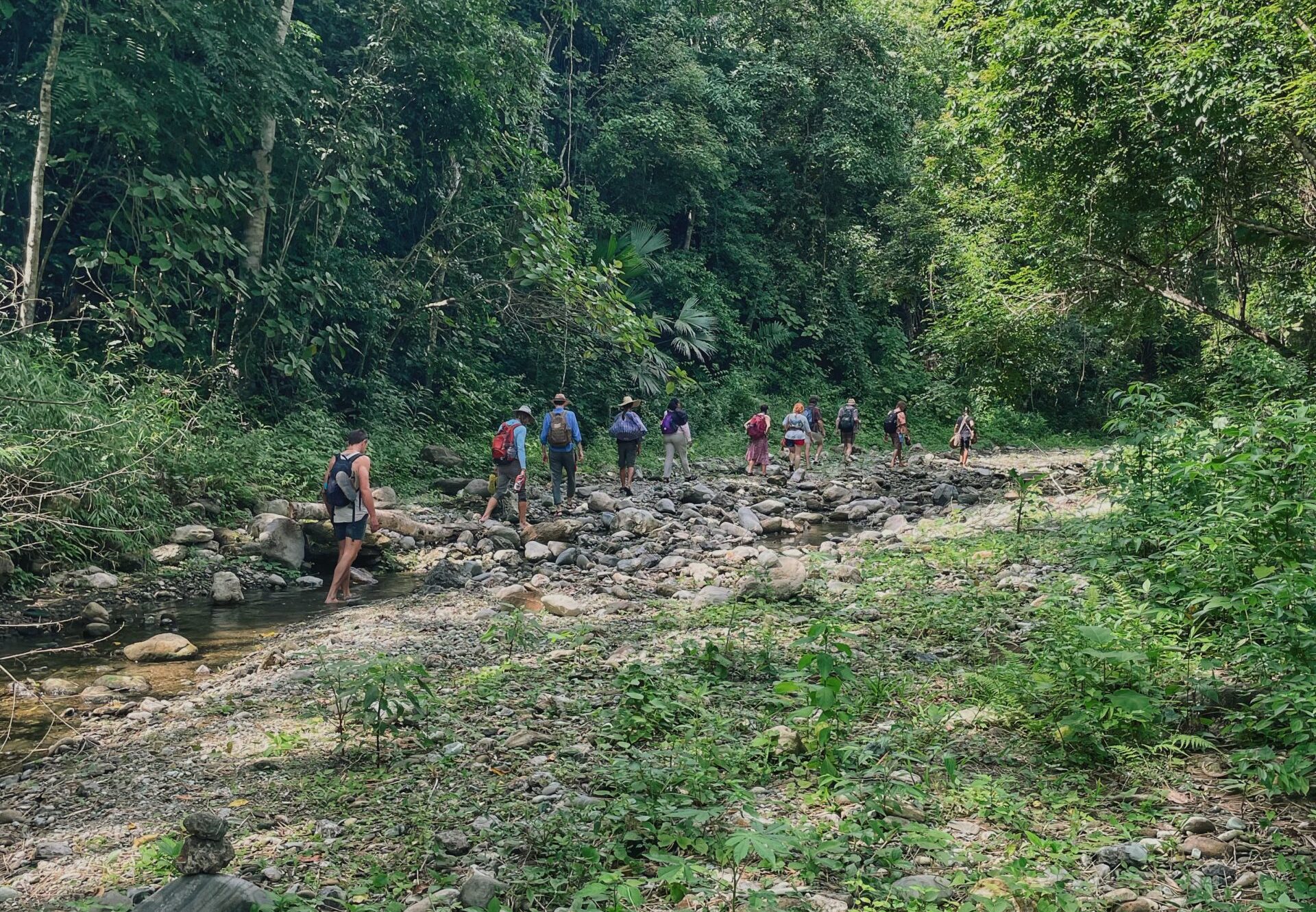
Our relationship with nature is one of giving and receiving. The Earth provides the conditions that sustain life, from the water we drink and the food we eat to the air we breathe and the places where we find rest. Yet in the pace of modern life, it can be easy to forget that we are part of this relationship, rather than separate from it.
In Andean traditions, the concept of ayni offers a way of understanding this connection. Often translated as reciprocity and sacred balance, ayni describes a relationship of mutual giving, receiving, and responsibility. It reminds us that life is sustained through our relationships with the land, our communities, and one another.
Ayni invites us to consider not only what we receive, but also what we offer in return. As the new moon marks the beginning of another lunar cycle, we have an opportunity to pause and reflect on these relationships. Read on to learn more.
What Is Ayni?
Ayni is an important principle in many Andean Indigenous communities, where reciprocity has traditionally shaped relationships between people, communities, and the natural world.
Rather than understanding life as a series of individual exchanges, ayni reflects an ongoing relationship of mutual support and responsibility. Giving and receiving are connected, and the well-being of one is understood in relation to the well-being of others.
In community life, reciprocity can be expressed through shared work, helping neighbours, exchanging knowledge, and contributing to collective responsibilities. These relationships are built over time, through participation and a recognition that people depend on one another.
The principle also invites reflection on our relationship with the land. Nature is not simply a resource to be used. It is the living environment that sustains us, and our actions have consequences for the places we inhabit.
Although the meaning and practice of ayni can vary across Andean communities, its emphasis on reciprocal relationships offers an important perspective on how we live with greater awareness of our connections and responsibilities. It can prompt us to ask questions such as:
How are we caring for the places that sustain us? What are we contributing to our communities? And how might we bring greater balance into the way we live?
Reciprocity with Nature: Moving Beyond Taking
It is easy to think of nature in terms of what it provides. We gather food, use water, build homes, and seek the comfort of natural spaces. These are essential parts of life, but reciprocity asks us to consider the other side of the relationship. What do we give back?
This question does not require a grand gesture. It can begin with how we treat the places around us, the resources we use, and the living things that share our environment. Practising reciprocity with nature might mean caring for a garden, reducing unnecessary consumption, supporting local environmental initiatives, or learning more about the plants and ecosystems that surround us.
It can also mean changing the quality of our attention. When we spend time outdoors without distraction, we may begin to notice seasonal changes, the interdependence of different species, and the many processes that sustain life without our involvement. This awareness can influence the choices we make when we return to our everyday routines, allowing us to find a more balanced way of living.
Our relationship with nature is also connected to the way we relate to ourselves and others. Taking time to reflect on our habits, priorities, and relationships can help us recognise where we receive support and where we have opportunities to contribute. In this way, personal awareness and collective responsibility are closely connected.
Reciprocity is not only about expressing gratitude for nature. It is about allowing that gratitude to shape our actions and recognising our place within the relationships that sustain life.
So, reciprocity is not only about expressing gratitude for nature, it is about allowing that gratitude to shape our actions.
How to Practise Ayni in Everyday Life
Ayni becomes meaningful through the ways we participate in our relationships. Rather than remaining an abstract idea, it can guide small, practical choices in daily life. Here are four ways to begin exploring reciprocity in your own life.
1. Become More Conscious of What You Receive
Take time to notice what supports you throughout the day. Consider the food on your table, the water you use, the people who contribute to your well-being, and the natural environments that offer space to rest and recover.
The purpose is not simply to make a list of things to be grateful for, but to recognise the relationships that sustain our lives. Water, for example, is more than a resource we depend on. It is essential to life, nourishing our bodies, sustaining ecosystems, and carrying life through the earth.
We receive water’s care in countless ways, often without noticing. Reciprocity invites us to honour this relationship by caring for water in return, protecting its sources, using it with awareness, and recognising that its well-being is inseparable from our own.
2. Offer Something in Return
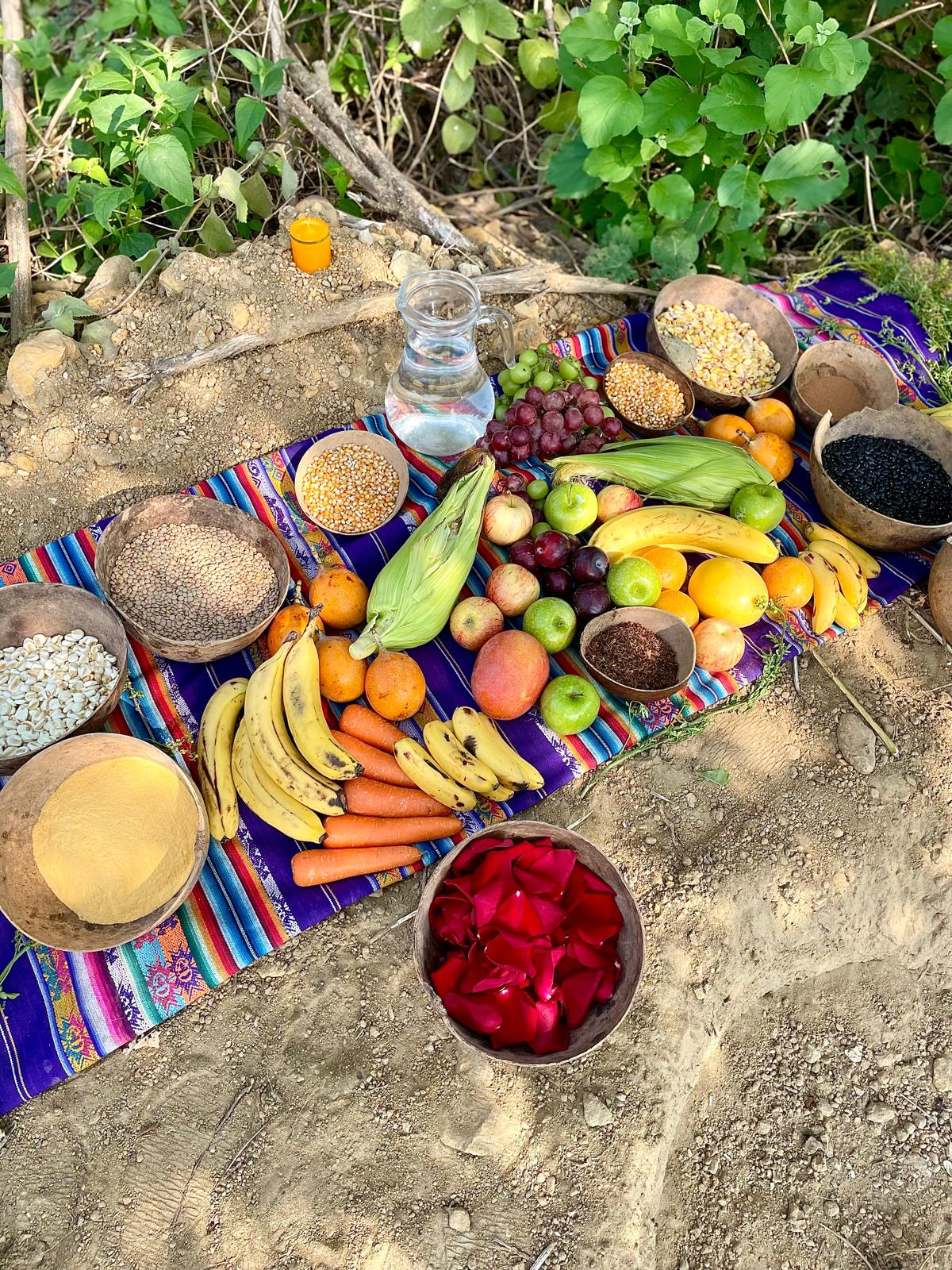
Once you become more aware of what you receive, consider how you might contribute in return. This could mean helping someone in your community, sharing your skills, supporting a local environmental project, or making more thoughtful choices about the resources you use. It can also mean doing an offering to the earth.
The contribution does not need to be equal or immediate. Reciprocity is not necessarily a transaction in which every act of giving must be repaid. It is an ongoing commitment to participating in relationships with care and responsibility.
3. Spend Time in Direct Relationship with Nature
Make time to experience the natural world beyond its practical uses. Walk through a forest, sit beside a river, plant seeds and care for plants, or spend a few quiet moments outside. Notice what is happening around you without feeling the need to name, photograph, or explain everything.
You might ask yourself what it means to be part of this environment and what responsibilities come with that relationship. Over time, these moments of attention can encourage a deeper understanding of the connection between personal well-being and the health of the places we inhabit.
4. Bring Reciprocity into Your Relationships
Ayni also invites us to consider how we give and receive within our relationships with other people. Consider these questions:
- Do we allow ourselves to receive support, or do we feel that we must manage everything alone?
- Do we offer our time and attention without expecting an immediate return?
- Are our relationships built around mutual respect and shared responsibility?
These questions can help us recognise where our relationships feel balanced and where greater awareness may be needed. Reciprocity does not mean giving without limits or ignoring our own needs. Healthy relationships also require boundaries, honesty, and respect for what each person can offer.
The New Moon: A Time for Reflection and Intention
The New Moon is often associated with beginnings, meaning it can be a good moment to pause and consider what we wish to cultivate in the cycle ahead.
The New Moon offers an opportunity to make space for that reflection. Through the principle of ayni, this moment can also become an invitation to look beyond personal intentions and consider our relationships with the wider world. Instead of asking only what we want to receive in the coming month, we might also ask what we are willing to contribute.
We can also reflect on all the ways we have been supported in the past month – including by the nature around us. These reflections can help connect intention with responsibility. As the next lunar cycle begins, take a moment to ask yourself: What have I received? What can I offer? And what is one practical way I can bring greater reciprocity into my relationship with nature?
A Simple New Moon Ritual for Reciprocity
You do not need an elaborate ceremony to create space for reflection. A few quiet moments can be enough to consider the relationship between what you receive and what you offer.
On New Moon, you can find a quiet space, if possible in nature. Reflect on the past 28 days. Recap the people, experiences, opportunities, and natural environments that have contributed to your life.
Reflect on one intention you can plant or nourish this month that connects your personal life with a wider sense of responsibility.
For example: This month, I will make more time to care for the natural spaces around me. Let the intention be specific enough to guide your actions, but also unfold in its own way. You can also do an offering to the Earth, with grains, fruits, stones or crystals, which have supported you during the past 28 days. While doing the offering, you can also sing a song or raise a prayer for what has passed and what is to come.
Return to your intention throughout the lunar cycle and notice what you learn from putting it into practice.
Returning to Reciprocity: Join Us at Ayllu Medicina
Ayni reminds us that life is shaped by relationships. We receive and are supported by the Earth, our communities, and from the people who accompany us along the way. We also have opportunities to contribute through our actions, attention, and care.
At Ayllu Medicina retreats, on the coast of Ecuador, time in nature is part of the opportunity to step away from familiar routines and experience a different pace of life.
Through our retreat experiences, practices such as meditation, yoga, breathwork, and time connecting with the elements in an intentional way, offer opportunities to observe the body, mind, and surrounding environment with greater attention. Our plant medicine retreats also honor ancient traditions and practices, approached within the wider context of preparation, reflection, and integration.

0 Comments