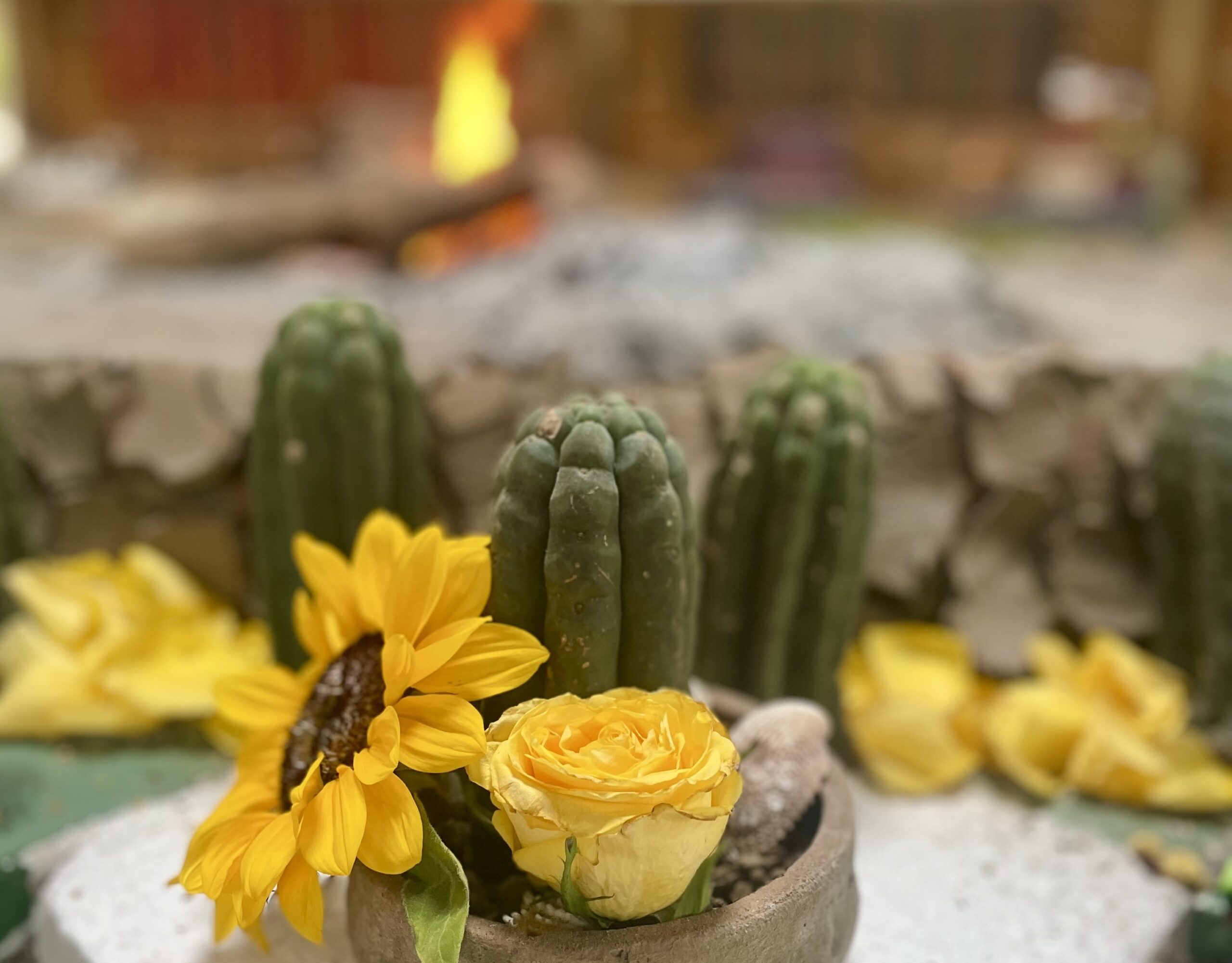
Huachuma, also known as San Pedro and Awakolla, is a sacred master plant that has been used ceremonially in the Andes for thousands of years. This plant medicine continues to be shared to this day, often in ceremonial environments or at plant medicine retreats.
While every ceremony and journey is different, certain qualities of Huachuma tend to remain consistent across traditions and experiences. Understanding these aspects can help people approach the medicine with a greater respect, openness, and awareness of the ceremonial context in which it is traditionally shared.
Are you curious to attend a San Pedro ceremony or retreat? Below are seven things to know about Huachuma and the nature of working with this ancient plant teacher.
What Is Huachuma?
Huachuma is the Quechua name for the San Pedro cactus, a type of columnar cactus native to the mountains and valleys of countries such as Peru and Ecuador. The medicine is typically prepared from the Echinopsis pachanoi cactus species.
For thousands of years, the cactus has been used by civilizations in different ways, such as in ceremonial contexts, healing, and long pilgrimages throughout the Andes. It is a master plant teacher, now often shared within a ceremonial setting that emphasizes intention, connection with nature, and reflection.
Awakolla is another name commonly used in Ecuador, and San Pedro is the Spanish name, which came after the Spanish occupation. It refers to the Christian saint, St. Peter, because he is the saint who holds the keys to heaven. At the end of a journey with this sacred medicine, you can often see why it has this name, as the medicine can help you reach states such as deep gratitude, and a deep state of communion with nature.
1. San Pedro Is Often Referred to as a Grandfather Medicine
In many traditions, San Pedro is considered a Grandfather medicine, because it is a teacher associated with wisdom, patience, and grounded guidance.
The medicine is often experienced as having a steady and supportive presence. Its focus is on sharpening your perception and presence. Insights may arise gradually through reflection, emotional clarity, or deepening your sense of connection, so you can come to your own understanding of what is unfolding.
Some people describe Huachuma as helping bring coherence between the heart and the mind, allowing thoughts, emotions, and intuition to feel more aligned. Because of this quality, Huachuma is often approached as a medicine that encourages listening and awareness.
Its teachings may appear through simple realizations or shifts in perspective that unfold throughout and after the ceremony. The medicine can also promote gut and physical health, with purging being a possibility.
2. Some San Pedro Ceremonies are in the Daytime
Some other plant medicines are traditionally shared in nighttime ceremonies. San Pedro is shared at night and during the day.
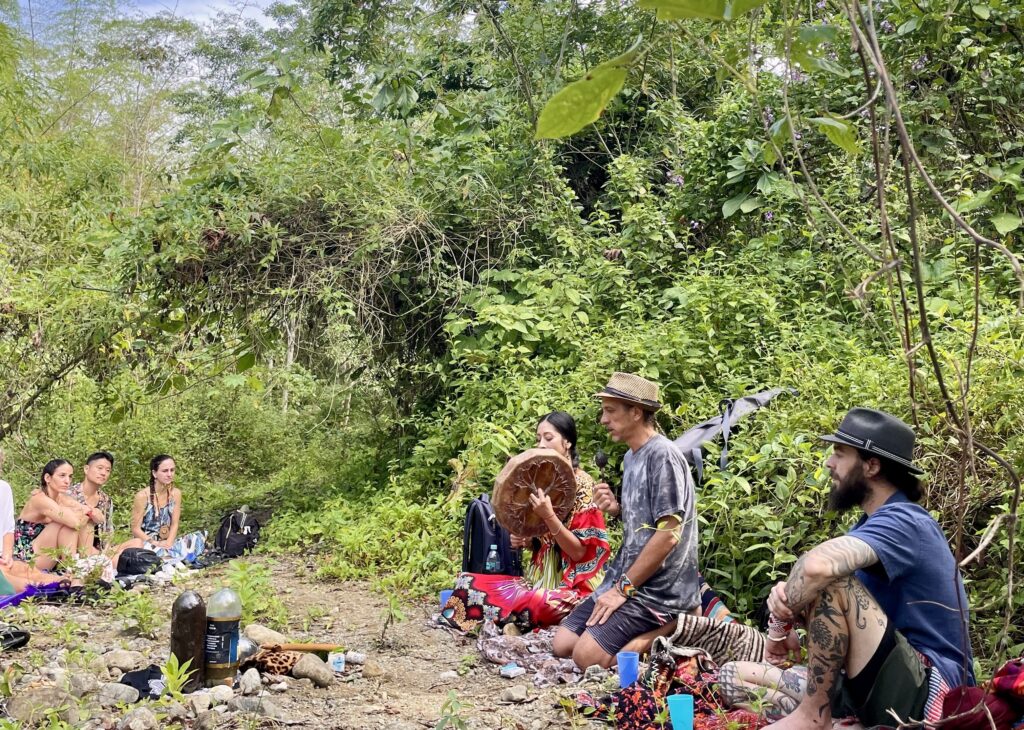
Daytime San Pedro ceremonies commonly begin in the morning and last throughout the daylight hours. Participants may spend time outdoors or walking in a natural area. For example, on Ayllu Medicina plant medicine retreats, we sometimes share a San Pedro Medicine Walk during the daytime, at a nearby river.
The presence of the San Pedro medicine and being in nature becomes part of the experience, inviting a sense of openness and awareness of the world around us. Many people find that San Pedro deepens their perception of nature in different ways. For example, it may bring attention to the subtle details of nature we may usually overlook; such as the movement of wind, the warmth of the sun, appreciating different colors, or noticing plant species or animals.
3. San Pedro and Ayahuasca are Different Medicines
Sometimes people ask what the differences are between Ayahuasca and San Pedro. During Ayllu Medicina retreats, we share both Ayahuasca and San Pedro ceremonies because the medicines complement each other well, balancing masculine and feminine energies.
Ayahuasca focuses on your lower energy centers and your roots, often being called a Grandmother. The plant teacher is from the Amazon, whereas the San Pedro medicine is a grandfather spirit from the mountains. The San Pedro medicine focuses on the energy of your heart, so you can raise your energy and enter this space.
Huachuma frequently works in subtle ways, which means the medicine may be indirect throughout the ceremony, so you reach your own understanding of what needs to be released.
Each plant has its own traditions, teachings, and ceremonial contexts. We are fortunate to be able to share both sacred plant teachers during our retreats. Learn more about our medicine guides’ journeys here.
4. Connection With Nature Is Central to the Experience
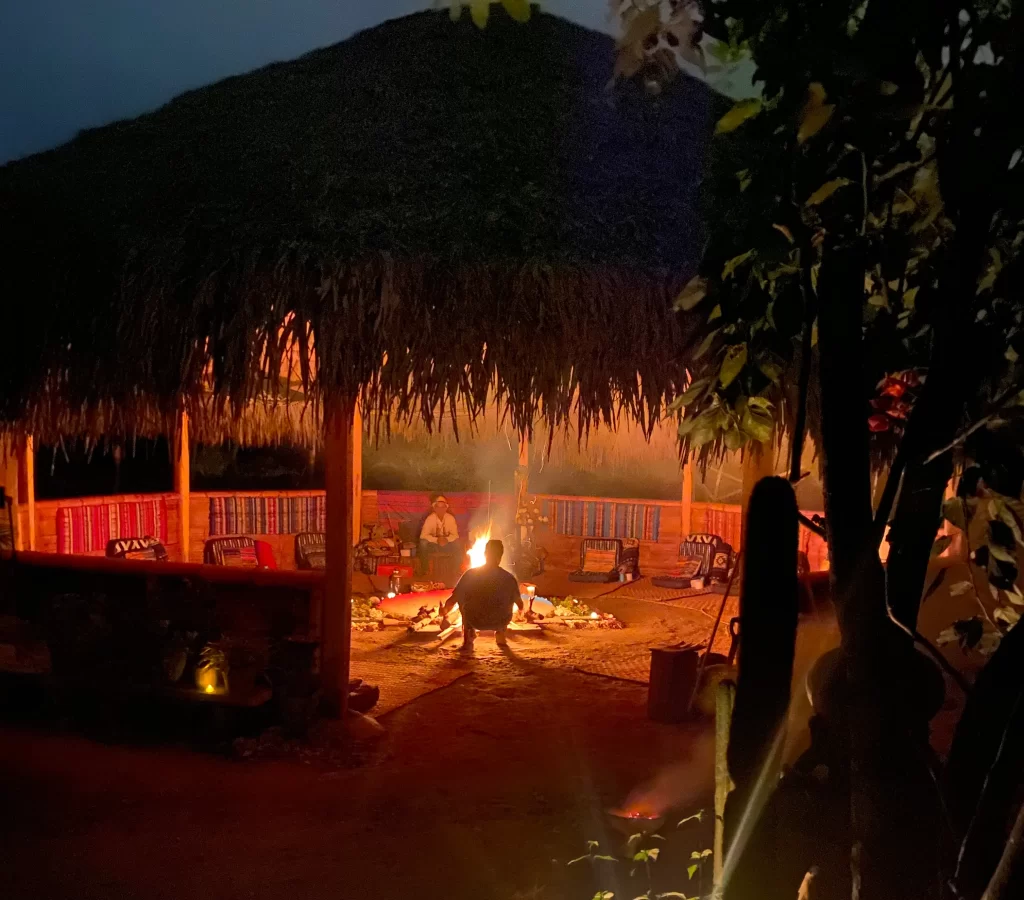
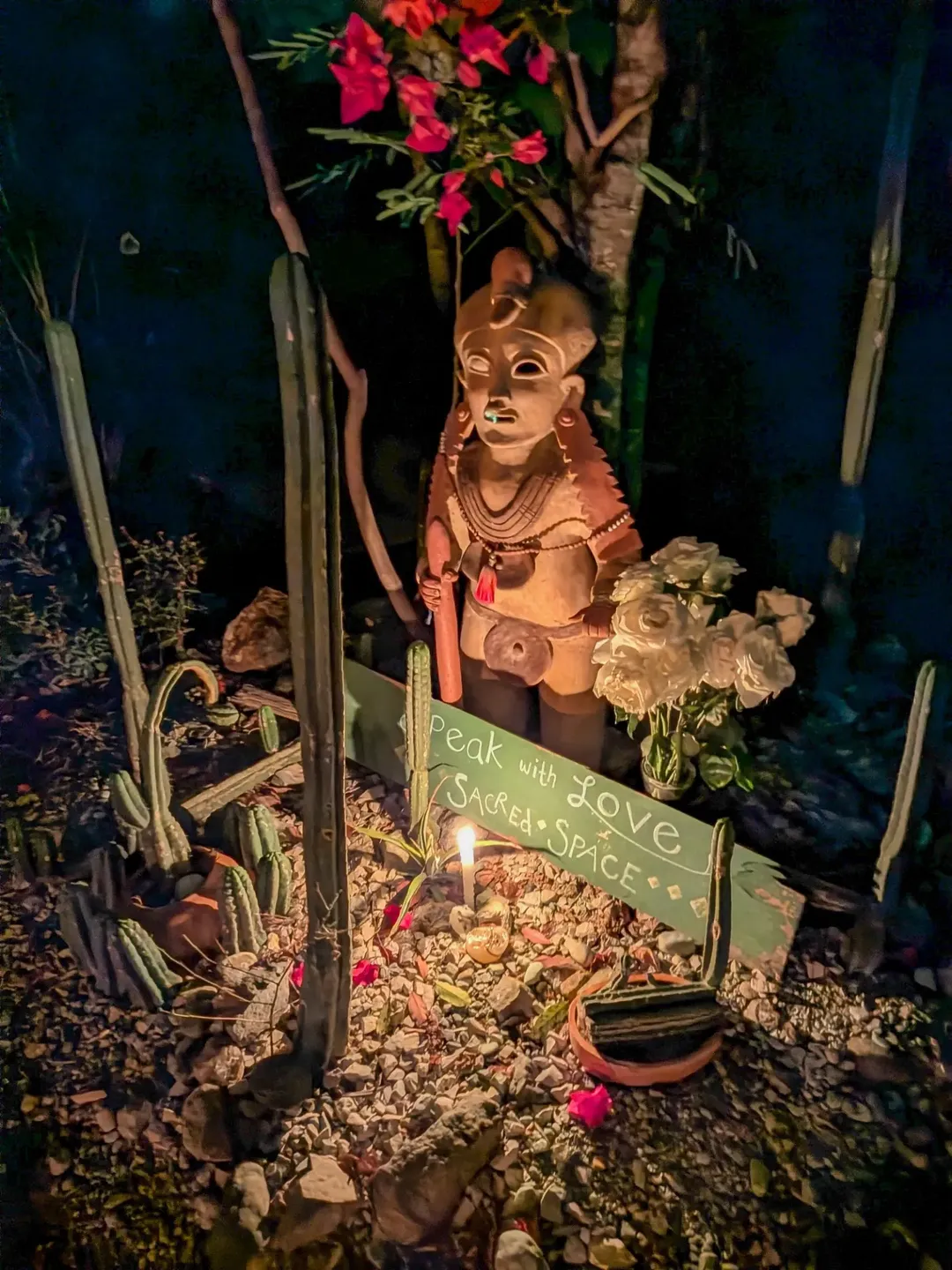
Huachuma ceremonies are often held in close relationship with nature. In many traditions, the natural environment is considered an essential part of the ceremonial space. Participants may spend time walking through nature, which is the main altar for all of us. In ceremonies at night, there is often a fire in the center to observe, and participants sit on the ground, remembering the sacredness and support of nature all around us.
Through this process, many people experience a renewed sense of connection with the natural world. Rather than feeling separate from nature, the medicine often encourages the feeling of being part of a larger living system. This perspective reflects Andean traditions in which mountains, rivers, plants, and animals are not resources, but they understood as being part of a living, interconnected system, deserving respect and reciprocity.
5. San Pedro Medicine Lasts a While
San Pedro ceremonies can last throughout the day or through the night until sunrise. The medicine typically lasts throughout the ceremony, and the effects remain the next day, in comparison to Ayahuasca, which is usually a shorter journey.
Many people find that this gradual unfolding contributes to the feeling of clarity and groundedness often associated with the San Pedro medicine. During Ayllu Medicina retreats, we have a retreat schedule designed to support the day or evening post-ceremony, with time in nature, restoration, music, and rest.
6. Huachuma Has a Long History in the Andes
The ceremonial use of Huachuma stretches back thousands of years in the Andes. Archaeological evidence suggests that ancient cultures incorporated the cactus into ritual and spiritual practices long before modern times. One well-known example appears in carvings at the ancient ceremonial center of Chavín de Huántar, where figures are depicted holding the cactus in ritual settings.
This long lineage reflects a worldview in which the cactus was approached with deep reverence. Within many traditions, the plant is seen as a teacher within the natural world.
The ceremonial setting helps create a respectful container for working with the medicine and honoring its place in tradition. It is recommended to find experienced medicine guides with the blessings to share this medicine. Learn more about our Ayllu Medicina team here.
7. Preparation and Integration Are Important Parts of the Process
Working with Huachuma is often seen as a process that begins before the ceremony itself and continues long afterward. Preparation can help create a supportive mindset for the experience. In the days leading up to a ceremony, some people choose to slow down and simplify aspects of their daily life.
Preparation may include:
- simplifying one’s diet
- spending time in nature
- reflecting on personal intentions
- reducing stimulation or distractions
The purpose of plant medicine preparation is not to control the experience but to approach the ceremony with respect, openness, and clarity. You can learn more in this blog post.
Equally important is what happens after the ceremony. Insights that arise during the experience may continue to unfold in the days or weeks that follow. Integration can involve reflection, journaling, conversations with trusted friends or guides, or simply giving oneself time to process the experience.
In many ways, a plant medicine ceremony is a stepping stone of a deeper process of learning and understanding for our lives. During our retreats, we have sharing circles and offer post-retreat integration support to help with these unfolding insights. We also share various tools you can take home with you, to help maintain the changes the retreat week can bring.
Frequently Asked Questions About San Pedro
How long does a Huachuma ceremony last?
Huachuma ceremonies typically last between 8 and 12 hours, with daytime ceremonies running throughout the day and night ceremonies finishing around sunrise.
Is Huachuma the same as San Pedro?
Yes. Huachuma is the Quechua name for the San Pedro cactus and the ceremonial medicine prepared from it.
Is Huachuma always visionary?
Not necessarily. You may experience visions, or visions in the fire. Many people describe the medicine as subtle, working through heightened awareness, reflection, and connection, such as post-ceremony noticing colors in ‘high definition’.
Where is Huachuma traditionally used?
Huachuma has long ceremonial traditions throughout the Andes, such as in Bolivia, Peru, Colombia, and Ecuador.
What medications interact with San Pedro?
If you are interested in a San Pedro retreat or ceremony, please contact us to discuss your medical history.
How Do You Prepare San Pedro Medicine?
We share more about this process during our plant medicine retreat weeks.
Is there Music During a San Pedro Ceremony?
Yes. It depends on the ceremony, but as San Pedro is a medicine that gives you energy, the music usually also focuses on raising the energy. The music helps guide the ceremony, accompanied with sacred instruments.
How Can I Attend a San Pedro Ceremony?
Join a plant medicine retreat or ceremony! Our next retreat is our San Pedro retreat this April.
San Pedro Medicine: A Medicine of Awareness & Connection
San Pedro is a medicine of presence and relationship – relationship to the nature around us, our inner nature, the medicine, and to all of those who came before us. Many people find that the medicine encourages a deeper relationship with life as it already is, through connection with nature, remembrance of our ancestors, clarity of perception, and alignment between the heart and mind.
Approached with care, humility, and respect for its traditions, Huachuma ceremonies can offer an opportunity to slow down, listen more deeply, and reconnect with the Earth, natural world, and your true inner self.
Join us at Ayllu Medicina to connect with the medicine of San Pedro. We have an upcoming community ceremony this Saturday for Equinox, and our San Pedro Plant Medicine Retreat in April 2026. This retreat offers the opportunity to connect with this master plant two times, during the day and at night, along with one ceremony of Ayahuasca, sweat lodges, daily yoga, and more!
Check out all our upcoming retreats here. Please contact us if you have any questions!

0 Comments